

Roadways across the United States are among the most heavily used public assets in the nation. In carrying millions of commercial and private travelers every day, they support commerce and connect communities. That is why predictive pavement maintenance has become increasingly important, as deterioration in a single roadway can create ripple effects across traffic, safety, and economic activity.
A small crack, left untreated, can grow into a deep pothole. That pothole, in turn, can force an emergency repair closure, impeding traffic until an expensive fix is in place. And that cost is not limited to transportation agencies: in the United States, potholes alone contribute to about $3 billion in vehicle damage costs for motorists every year.
Budgets are, of course, constrained. Transportation organizations must consider more than just repairing roads; they also need to maximize the use of scarce public funds. As these agencies face aging infrastructure and growing roadway traffic, the ability to identify and address problems earlier in the lifecycle has become critical.
In other words, we are seeing a shift from reactive repairs to preventative maintenance. An often-recommended approach, technology advances have increasingly made it possible to replace traditional inspection methods that can struggle to detect early warning signs. A better understanding of the lifecycle of road defects can reduce emergency repairs in favor of a more predictive approach.
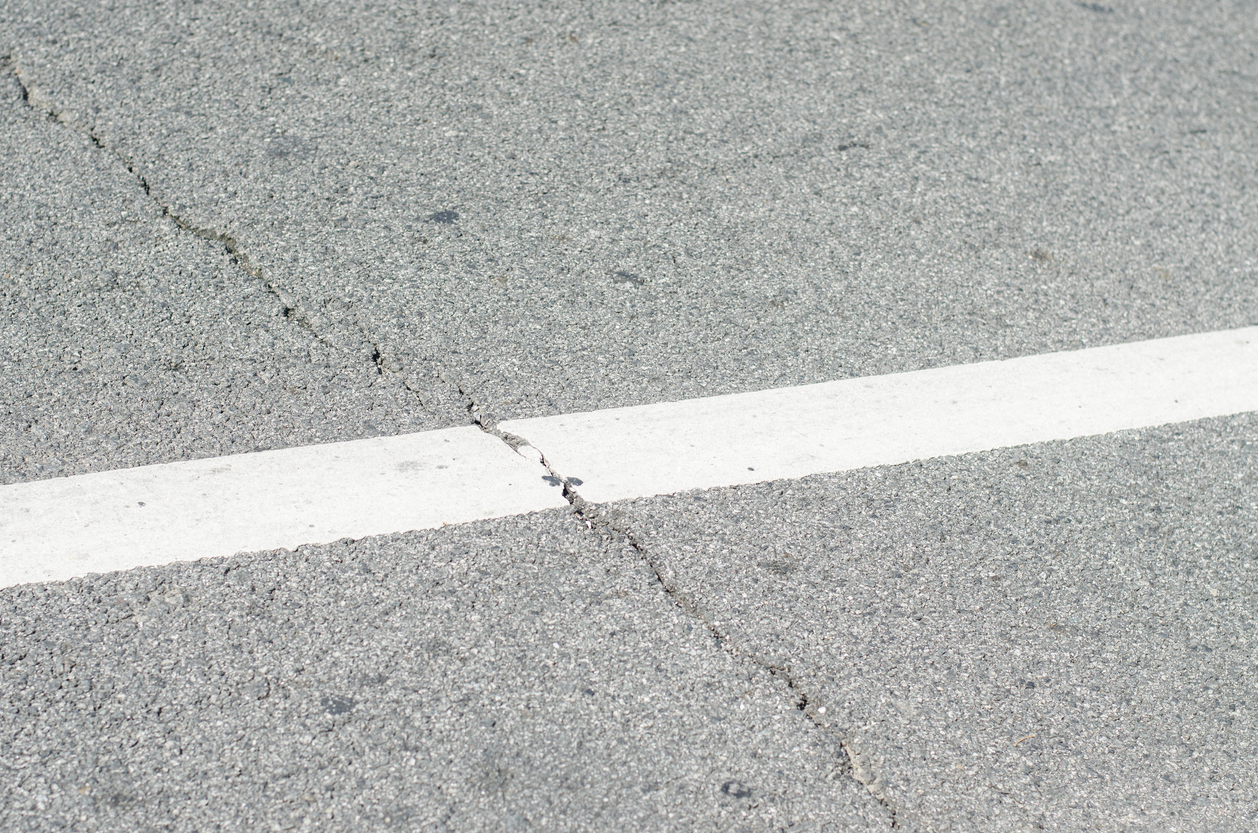
Understanding the Lifecycle of a Road Defect
Most pavement failures follow a predictable path. Early in a road’s life, environmental exposure and traffic loading create hairline cracks in the surface. The pavement structure is still largely intact, and low-cost treatments like crack sealing can, in theory, slow further deterioration. In fact, the Federal Highway Administration notes that pavement preservation strategies applied early in the lifecycle can significantly extend pavement life and reduce long-term costs, often saving several dollars for every dollar invested in preventative maintenance.
But too often, that is not the case. Early cracks are left undetected and untreated, with moisture infiltration accelerating the damage. Freeze-thaw cycles, especially in northern states, as well as heavy loads and repeated traffic, cause these cracks to widen and deepen.
Over time, the pavement loses its structural integrity, and potholes begin to form. Now, agencies have to respond to a safety issue.
The cost difference between early intervention to fix hairline cracks and late-stage repair of significant potholes is substantial. FHWA research has shown that delaying pavement maintenance can increase rehabilitation costs by four to five times compared to addressing issues early.
Add the need to perform emergency repairs under time pressure and in adverse conditions, and the costs rise even further. Sometimes, crews even have to use temporary materials that only delay rather than fix the problem. Over time, reactive maintenance becomes a cycle that drains the budget without meaningfully improving the condition of the pavement.
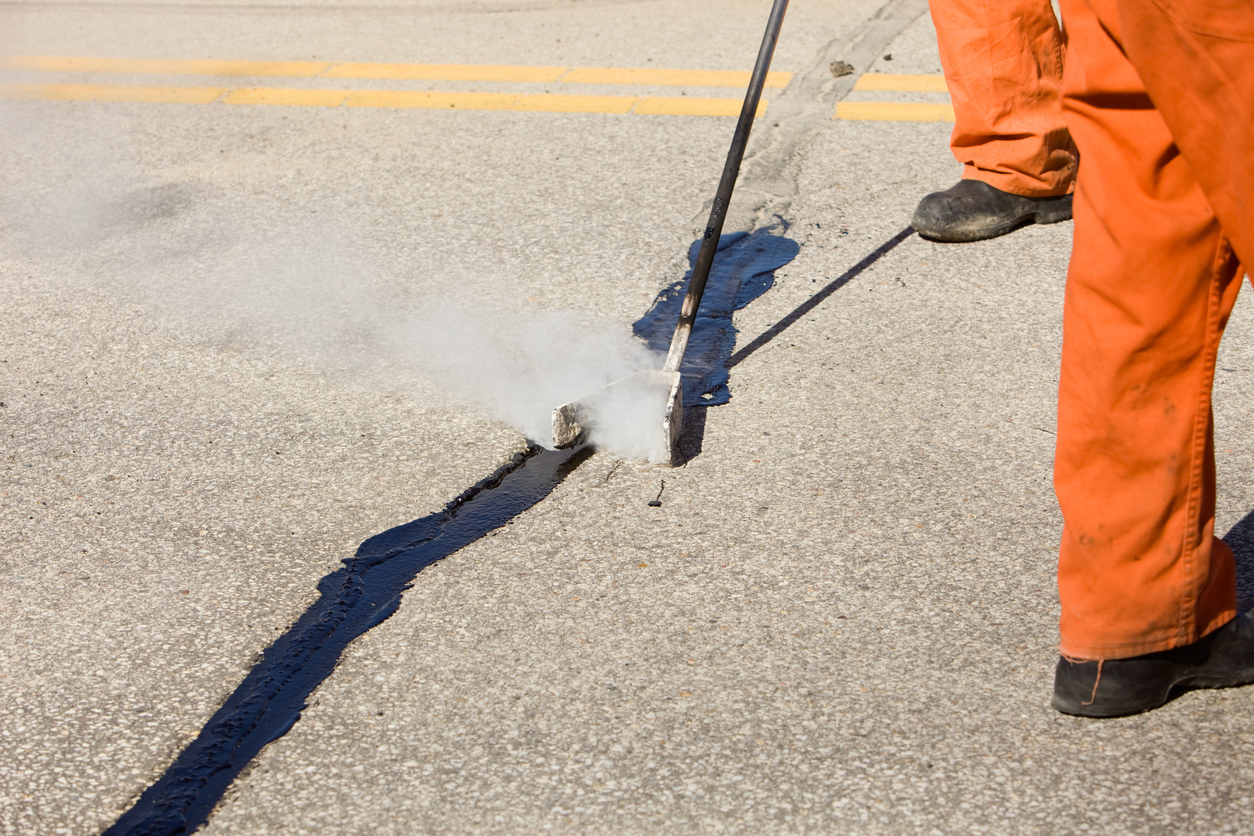
Why Emergency Repairs are So Expensive and Risky
The expenses of emergency road repairs go beyond labor and material costs. Work zones created for urgent repairs increase traffic congestion and increase the risk of secondary crashes.
Particularly on high-speed or high-volume road corridors, maintenance crews are subjected to real-time traffic. When serious flaws emerge out of the blue and must be promptly fixed, these safety risks are increased.
And of course, emergency work is difficult to plan into the budget. As a result, urgent needs frequently disrupt scheduled maintenance, forcing agencies to reallocate funds on the spot.
According to The Pew Charitable Trusts, deferred maintenance across state and local road systems has created a backlog of maintenance needs that exceeds $100 billion, much of which is driven by a reliance on reactive repairs.
In other words, the longer defects remain undiscovered, the more agencies are forced to take expensive, urgent action. Early detection can stop these problems, enhancing transportation agencies’ financial and safety priorities.
Detecting Early Warning Signs Before Failure
The key to breaking the emergency repair cycle lies in detecting deterioration earlier and more consistently. Subtle indicators, like the above-mentioned hairline cracking, surface wear, and even minor deformation of the road, can appear long before a pothole forms.
Agencies that can capture and record these signals can act early, while interventions are still simple and affordable. Municipal and state transportation research consistently shows that crack sealing and surface treatments can delay the need for overlays and reconstruction by years.
Early detection also supports core safety goals. Roads that are maintained before surface failures emerge reduce the likelihood of vehicle damage, sudden maneuvers, and events in which drivers lose control of their vehicles. It’s why FHWA pavement preservation guidance emphasizes that maintaining smoother, structurally sound surfaces improves ride quality and safety for all road users.
The challenge, of course, has always been scaling up that type of predictive maintenance and control. Traditional roadway inspections are labor-intensive and can therefore only occur periodically. They provide point-in-time snapshots instead of a continuous view of network health. As a result, many early-stage defects are simply missed and only detected when they turn into larger issues.
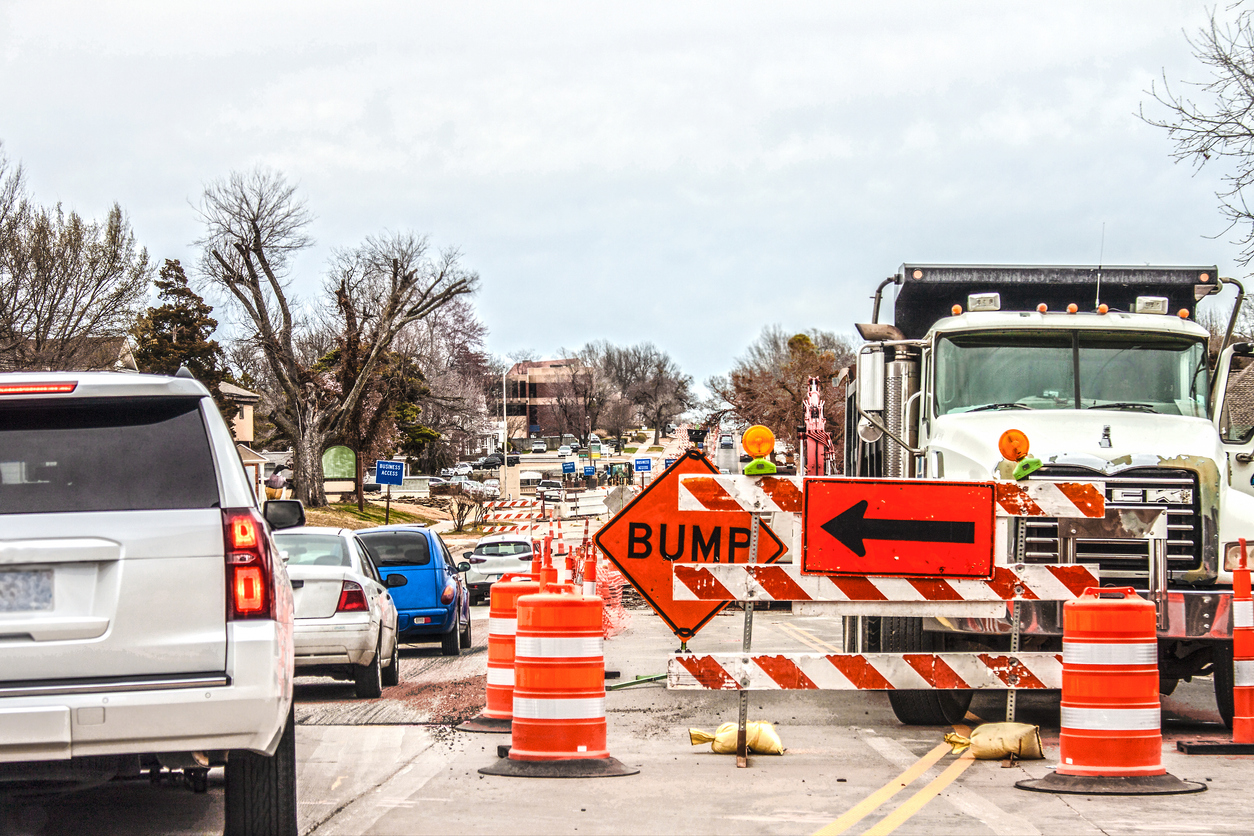
Turning Prediction into Practice
A predictive approach to roadway maintenance changes how agencies manage their pavement assets. Instead of waiting for defects to trigger complaints or inspections, agencies can monitor ongoing and emerging trends in surface condition and identify where deterioration is likely to accelerate over time. Planners, in turn, can consistently schedule low-cost intervention before conditions worsen.
Predictive pavement maintenance also improves the use of public funds. When agencies can demonstrate that a small investment today saves a larger expense tomorrow, they can better justify short- and long-term budget requests.
Agencies are better able to defend both short-term and long-term budget requests when they can show that a small investment today saves a larger expense tomorrow. Predictive insights facilitate more effective scheduling by coordinating maintenance crew and material schedules. In order to minimize emergency call-outs, work can be planned around ideal repair conditions.
Broadly speaking, this approach also supports broader agency goals around safety and equity. Agencies are better positioned to ensure that all parts of the network for which they’re responsible receive attention before conditions deteriorate, with investments guided by early detection to prevent uneven outcomes across communities.
A Safer, More Sustainable Way Forward
Emergency repairs will always be a part of roadway management, but they should not define the entire workflow. Agencies that rely too heavily on reactive fixes face rising costs and increased safety risks, negatively impacting their long-term performance.
By adopting predictive pavement maintenance, transportation leaders can treat road defects as predictable events. This shift steers agencies away from emergency response and toward planned, cost-effective intervention.
Early detection of pavement deterioration makes it possible to intervene at the lowest cost point in the lifecycle. This early detection also reduces the need for disruptive emergency work, stretching limited budgets further while protecting maintenance crews and the traveling public.
As a whole, it improves roadway safety while modernizing infrastructure management practices in a holistic way. For transportation agencies ready to move beyond reactive repairs, modern approaches now make it possible to anticipate where and when road defects will form and address them early.
Solutions like Blyncsy focus on predicting pavement deterioration, so agencies can plan for low-cost preventative maintenance. By shifting from response to prediction, Blyncsy allows DOTs to protect both public dollars and the public trust.