
The story of self-driving cars is often told through the lens of software. The story of self-driving cars is often told through the lens of software. Technology magazines discuss faster perception models, improved decision logic, and more capable onboard systems.
Progress is often measured by what happens inside the vehicle. Yet deployment of autonomous technology remains limited, partly because connected and autonomous vehicle infrastructure is not yet widespread enough to support full-scale operation.
The issue is not that the innovation is bad. Instead, deployment is not advancing quickly, at least in part because of the environment in which that software has to navigate.
Roads are not designed to communicate with software. They offer no context or foresight and no shared understanding of what lies ahead. As long as autonomous vehicles depend on operating within that infrastructure, progress will continue to move slowly. Solving that bottleneck means adjusting the roads for smart driving.
The Intelligence Gap Between Vehicles and Infrastructure
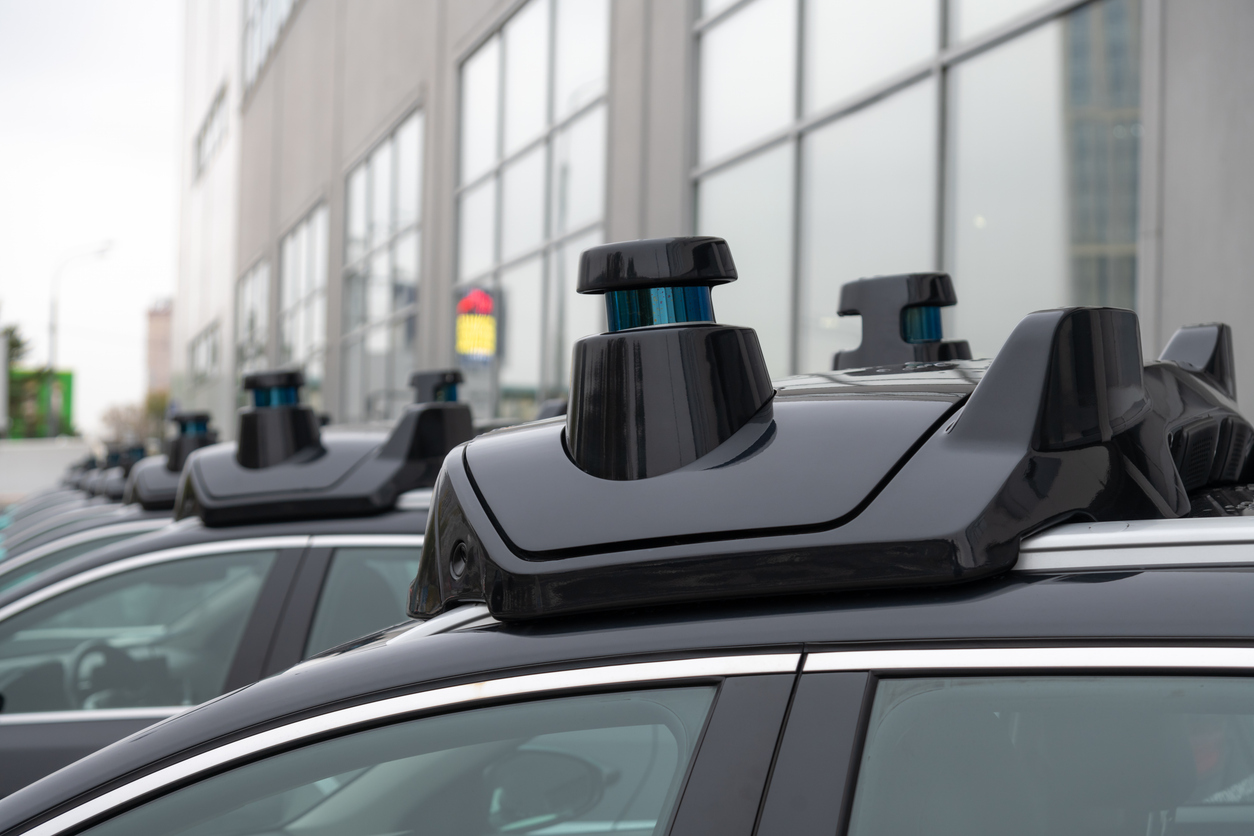
Modern autonomous vehicles rely on local sensing. Cameras, radar, and LiDAR interpret the environment in real time by producing an image of the surroundings from the vehicle’s point of view that it can respond to. That system can perform incredibly well under ideal circumstances, but as any transportation agency knows, ideal circumstances are, at best, uncommon.
That starts with the weather. Rain and snow can obscure signage and lane markings or even reshape the road surface over time. Construction zones interfere with any camera or radar system, and sun glare can destroy clear images captured by cameras.
Developers call these limitations operational design domains, which try to define the limits of conditions in which an automated system can still operate quickly. But outside of those boundaries, performance quickly goes downhill. It’s why even authorities like the National Highway Traffic Safety Administration have acknowledged that environmental complexity is among the biggest challenges for automated driving systems.
The mismatch is easy to spot from there. While automobiles are anticipated to behave autonomously, the environment in which they operate provides almost no assistance. As a result, every vehicle works independently in trying to sense the conditions around it, building its own predictive model, and reacting accordingly.
It’s an isolated approach to autonomy that struggles to scale. For it to go beyond limited pilots, it will require a shift to shared systems in which vehicles and infrastructure work together.
When Roads Become Part of the System
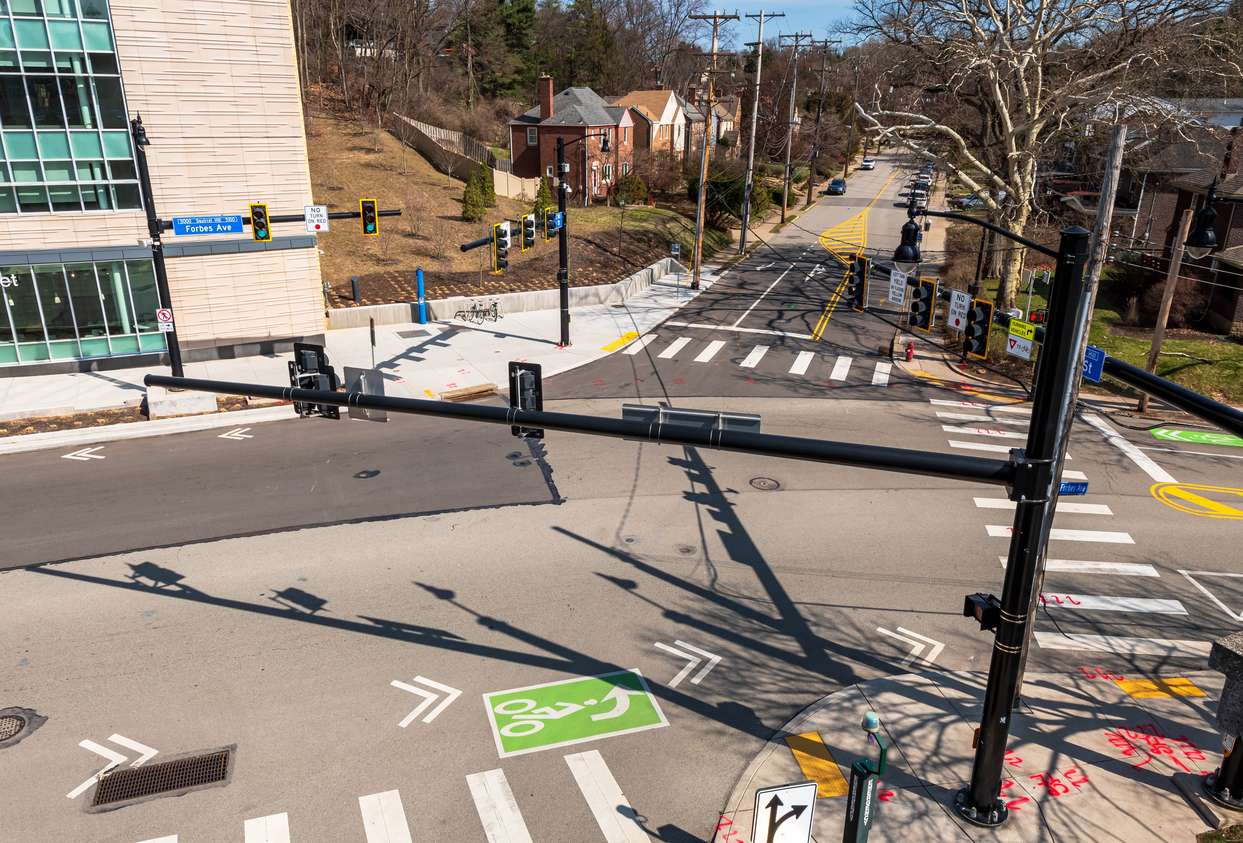
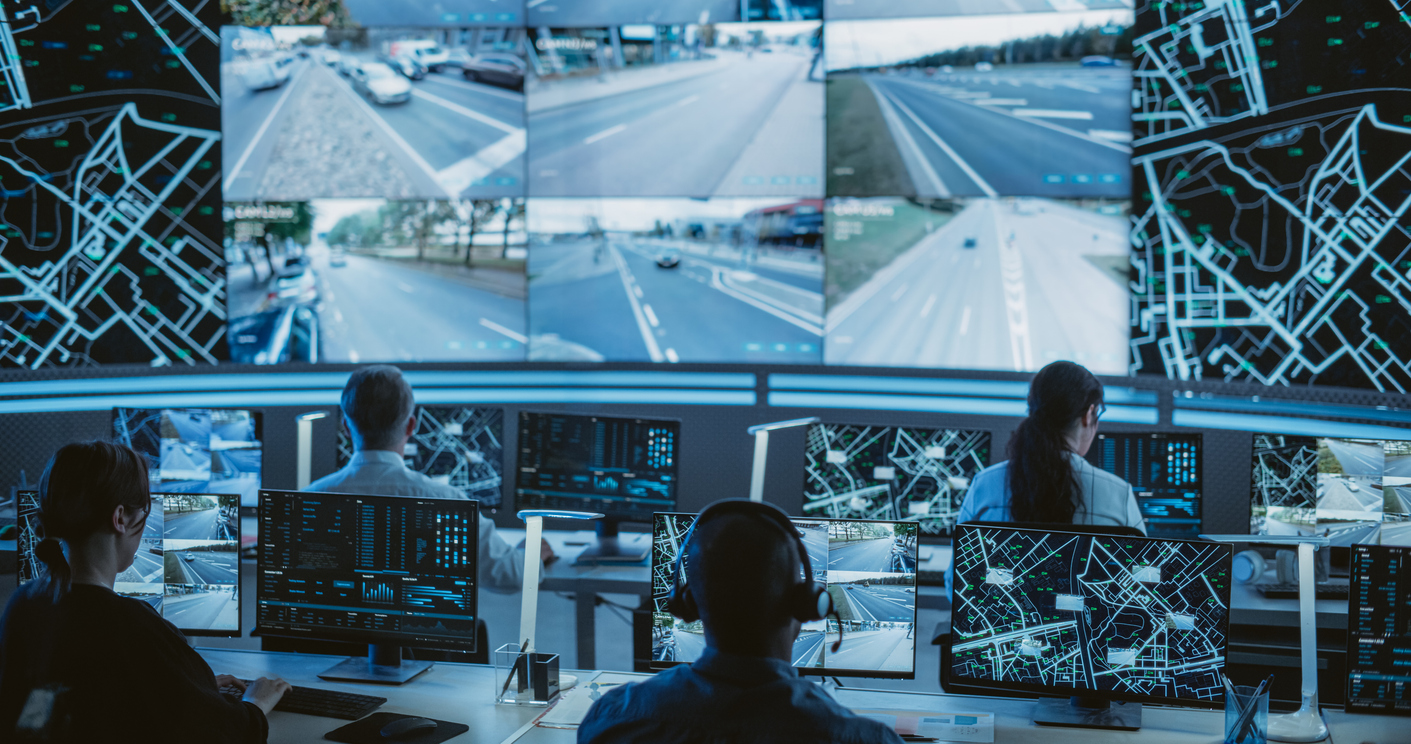
A smarter approach treats roads as active participants in the transportation system. That may sound impossible at first, but new technology and approaches have begun to make it possible. In that system, vehicle-to-everything communication means each vehicle’s system can read signals and intersections, which in turn exchange information with each of these vehicles.
Vehicle-to-everything models, or V2X, have become an increasing emphasis of the U.S. Department of Transportation as a result. It’s an interconnected infrastructure layer that can include anything from signal timing to lane closures and temporary hazards.
Some V2X data streams even include traffic flow changes and fixed sensors, thanks to roadway sensors that observe the roadway from stable vantage points and fill blind spots that individual vehicle sensors cannot reliably catch.
And that’s just the beginning. These sensors can track vehicles and monitor infrastructure in real time, detecting wear, surface damage, and environmental stress early. Roads evolve into continuously observed and self-observing systems.
Take lane and other road markings as an example. Autonomous systems depend heavily on consistent and visible lane markings, but agencies tend to lack up-to-date insights into their conditions. Obscured or faded markings can drastically and negatively affect vehicle performance.
On the other hand, a more stable operating environment for all vehicles is produced by infrastructure that is aware of its own states and communicates those states to others.
Why Intelligent Roads Matter Beyond Automation
Focusing only on self-driving cars understates the broader value of intelligent infrastructure. In fact, the strongest case for smarter roads lies in broad roadway safety and accessibility, creating benefits for the entire public.
Connected and autonomous vehicle infrastructure can reduce crashes by providing warnings that neither human drivers nor onboard vehicle systems can generate alone. Anywhere, including high-risk corridors, work zones, and intersections, situational awareness enhances results.
Infrastructure that communicates location and safe crossings can help travelers with disabilities move around more independently. For emergency services, connected corridors can prioritize response vehicles and manage traffic more dynamically, reducing delays when they’re potentially the most costly.
These benefits extend across entire roadway networks. Infrastructure, treated as a public good, can support more equitable outcomes and avoid the concentration of innovation in a handful of urban centers.
Addressing the Risks of a Connected Roadway
As with any innovation, a connected transportation system is not without risk. Far from it. To preserve public confidence and ensure ethical use, agencies must directly address security, privacy, and fair access.
Infrastructure systems are safety-critical, which means cybersecurity cannot be optional. Any system must have protection against malicious interference, spoofing, and data injection from the start.
The National Institute of Standards and Technology has published guidance on securing cyber-physical systems that can apply directly to connected transportation networks.
Privacy is just as important. Systems must anonymize and aggregate data exchanged between vehicles and infrastructure whenever possible, protecting individual identities. Transparency regarding the use of public data is equally relevant.
Finally, consider the question of parity. Rural and under-resourced municipalities can face real challenges in deploying advanced infrastructure. Without coordinated policy and scalable approaches that reach into these communities, connected transportation risks becoming fragmented.
Only broader leadership and shared standards can prevent a patchwork system that distributes benefits unevenly.
Building the Foundation for Autonomous Transportation
The technology and capabilities have already emerged. Now, the challenge becomes making it operational. Shared standards become essential for building systems that cities and automakers both use to communicate with each other.
It’s why the U.S. The Department of Transportation has emphasized national interoperability to ensure infrastructure investments remain viable as vehicle technology evolves.
But the government isn’t solely to blame. Public-private collaborations are essential to align infrastructure planning with vehicle development timelines. After all, autonomous vehicles can only reach their full potential on roads equipped with connected and autonomous vehicles. infrastructure. This infrastructure provides context and shared intelligence, allowing vehicles to truly understand their surroundings. As we’ve put it elsewhere, truly autonomous vehicles require autonomous roads.
In other words, the limitations of today’s roads will play a major role in determining the future of autonomy. Moving forward, we must treat smart infrastructure as the foundation for a safer and more inclusive transportation system, rather than as a luxury upgrade for only the wealthiest municipalities.
It’s a comprehensive process, but platforms like Blyncsy can help. Our platform turns everyday roadway data into an intelligence layer that can communicate with connected and autonomous transportation. Learn more about Blyncsy and how our system connects to the broader concept of connected and intelligent roadway infrastructure by setting up a conversation today.